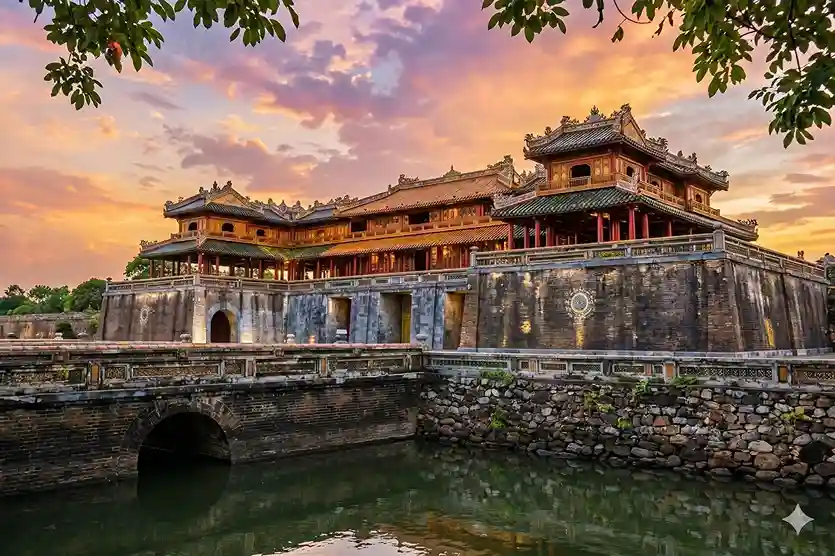


The Tiananmen, a gate in the wall of the Imperial City, was built in 1415 during the Ming dynasty. In the 17th century, fighting between Li Zicheng’s rebel forces and the forces of the Manchu-led Qing dynasty caused heavy damage to, or even destroyed, the gate. Tiananmen Square was designed and built in 1651, and has since been enlarged by four times its original size in the 1950s.
Near the centre of the square stood the “Great Ming Gate”, the southern gate to the Imperial City, renamed “Great Qing Gate” during the Qing dynasty, and “Gate of China” during the Republican era. Unlike the other gates in Beijing, such as the Tiananmen and the Zhengyangmen, this was a purely ceremonial gateway, with three arches but no ramparts, similar in style to the ceremonial gateways found in the Ming tombs.
This gate had a special status as the “Gate of the Nation”, as can be seen from its successive names. It normally remained closed, except when the Emperor passed through. Commoner traffic was diverted to side gates at the western and eastern ends of the square, respectively. Because of this diversion in traffic, a busy marketplace, called “Chess Grid Streets”, was developed in the big, fenced square to the south of this gate.
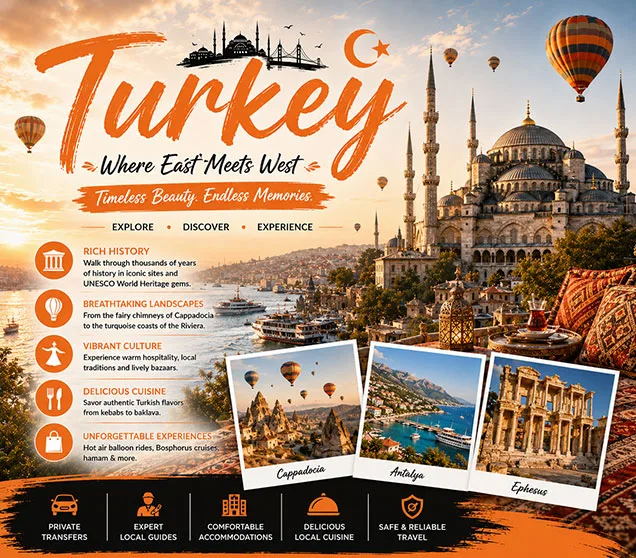
Turkey Istanbul & Cappadocia Tour
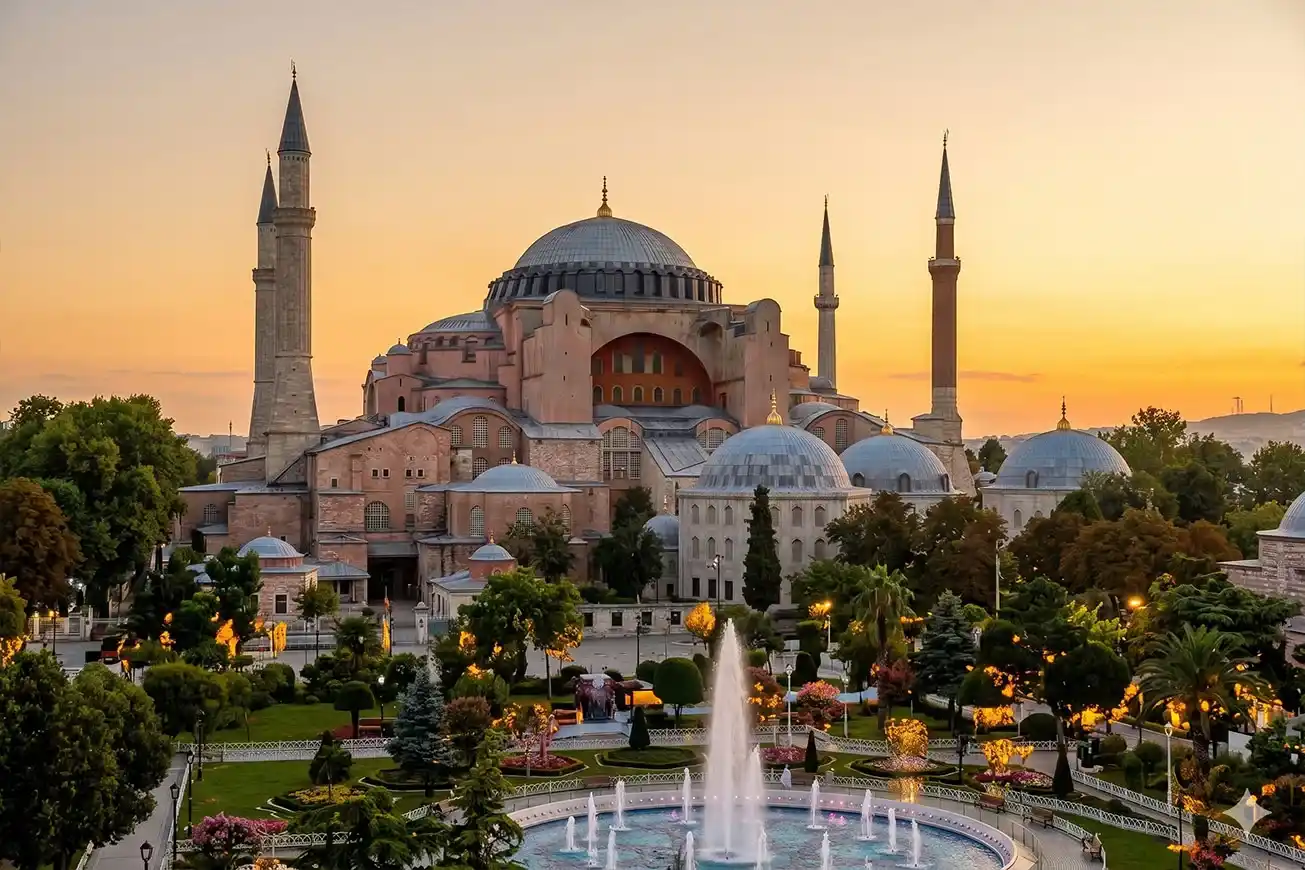
Explore the cultural richness of Turkey where East meets West. Visit the vibrant city of Istanbul. Explore historical mosques and bazaars. Experience the unique landscapes of Cappadocia. Enjoy hot air balloon views over fairy chimneys. Discover ancient cave dwellings. Taste delicious Turkish cuisine. Shop in traditional markets. Perfect for cultural and adventure travelers. A unique blend of history and natural beauty.